
OCTOBER 23, 2026
AQT is Building a Sound That Refuses to Stay in One Lane
OCTOBER 23, 2026
AQT is Building a Sound That Refuses to Stay in One Lane
Latest News
OCTOBER 14 2026
AQT Is Building a Sound That Refuses to Stay in One Lane
Abdul Quam Tadese grew up between Yoruba, Houston hip-hop, and Arabic music. He's now forging a musical identity that incorporates all of that.
When AQT (Abdul Quam Tadese) talks about music, he goes straight back to his childhood sounds. Fuji, of course, particularly the music of Wasiu Ayinde. The 50 Cent and Jay-Z hip-hop records. Brandy for R&B and the Backstreet Boys for pop. Arabic music, through the Islamic education he received, also helped develop an ear already absorbing a wide range of musical styles.
Born in Brooklyn and raised primarily in Houston , AQT was a product of his Yoruba roots, shaped by a diverse American environment. He learned Arabic through Islamic school, and basketball and the sounds of Houston were equally important in shaping his view of the world. "I always say I grew up as a hybrid," he says. It was a very multicultural upbringing, and that was absolutely part of who he became as an artist.
Nigeria is still at the heart of that identity. His Yoruba roots gave him early exposure to Fuji, and he still has a real appreciation for it, particularly KWAM 1's work. More recently, he's been drawn to the fusion of Yoruba and Fuji into contemporary music, and he can relate to it because it's a sound and culture he's already very familiar with. His interest in Arabic music is very personal. He learned the language, went to Islamic school, and traveled to the Middle East as a kid, so the music and culture were already part of his life.

OCTOBER 14 2026
Ehinome Ogbeide Is Teaching African Children Through Their Own Music
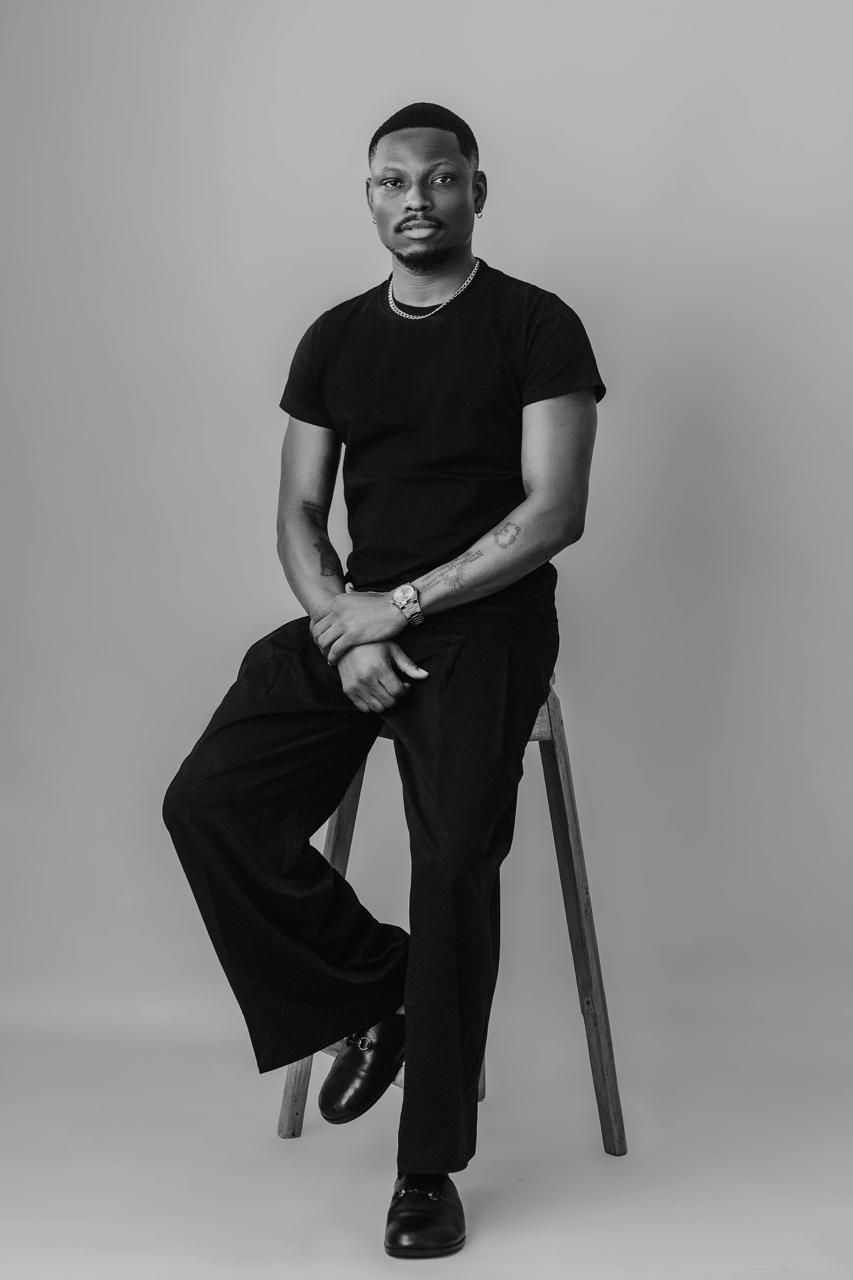
Ehinome Ogbeide had spent years in the hit-record game before deciding to build something for four-year-olds. He started in events, moved into digital music distribution, and later led the data side at Mavin, where he worked on Rema's "Calm Down" (the first solo Afrobeats artist song to reach one billion streams on Spotify). He also played a major role in the global streaming success of Ayra Starr's "Rush," which earned a Grammy nomination. He is now co-founder of Bina AI, a co-learning platform that uses AI and African music to create songs and stories to teach children aged 4 to 12.
OCTOBER 14 2026
Levi Adewunmi Has Spent His Career Building the Future of African Culture
Levi Adewunmi's early exposure to entertainment through school events, drama, and debate laid the foundation for his future as a multifaceted leader in Africa's cultural industries. The essay examines how those early experiences provided the practical skills and social instincts that became vital to his work in talent management, nightlife, fashion, and live entertainment. In essence, it's a case study in the emergence of innovative cultural infrastructure in contemporary Africa. Looking back, Levi says he always knew he'd be in the industry. "I've always kind of known that I would be working in the entertainment space. It was never a doubt at all."

SEPTEMBER 09 2026
If Legacy Had One Name, It Would Be Clarence Peters.
Clarence Abiodun Peters, multi award-winning filmmaker, director, cinematographer and creative director with thousands of music videos in his catalogue, is one of the most influential visual storytellers in African music history and is inseparable from Nigerian music video production after 30 years of laying the blueprint.
Clarence, the son of Afro-Juju icon Shina Peters and legendary Nollywood actress Clarion Chukwurah, grew up around filmmaking. He was already on set at age nine, and by 13, he had earned his first creative cheque while working on a film in Lagos.
OCTOBER 14 2026
AQT Is Building a Sound That Refuses to Stay in One Lane
Abdul Quam Tadese grew up between Yoruba, Houston hip-hop, and Arabic music. He's now forging a musical identity that incorporates all of that.
When AQT (Abdul Quam Tadese) talks about music, he goes straight back to his childhood sounds. Fuji, of course, particularly the music of Wasiu Ayinde. The 50 Cent and Jay-Z hip-hop records. Brandy for R&B and the Backstreet Boys for pop. Arabic music, through the Islamic education he received, also helped develop an ear already absorbing a wide range of musical styles.
Born in Brooklyn and raised primarily in Houston , AQT was a product of his Yoruba roots, shaped by a diverse American environment. He learned Arabic through Islamic school, and basketball and the sounds of Houston were equally important in shaping his view of the world. "I always say I grew up as a hybrid," he says. It was a very multicultural upbringing, and that was absolutely part of who he became as an artist.
Nigeria is still at the heart of that identity. His Yoruba roots gave him early exposure to Fuji, and he still has a real appreciation for it, particularly KWAM 1's work. More recently, he's been drawn to the fusion of Yoruba and Fuji into contemporary music, and he can relate to it because it's a sound and culture he's already very familiar with. His interest in Arabic music is very personal. He learned the language, went to Islamic school, and traveled to the Middle East as a kid, so the music and culture were already part of his life.
OCTOBER 14 2026
Ehinome Ogbeide Is Teaching African Children Through Their Own Music
Ehinome Ogbeide had spent years in the hit-record game before deciding to build something for four-year-olds. He started in events, moved into digital music distribution, and later led the data side at Mavin, where he worked on Rema's "Calm Down" (the first solo Afrobeats artist song to reach one billion streams on Spotify). He also played a major role in the global streaming success of Ayra Starr's "Rush," which earned a Grammy nomination. He is now co-founder of Bina AI, a co-learning platform that uses AI and African music to create songs and stories to teach children aged 4 to 12.
OCTOBER 14 2026
Levi Adewunmi Has Spent His Career Building the Future of African Culture
Levi Adewunmi's early exposure to entertainment through school events, drama, and debate laid the foundation for his future as a multifaceted leader in Africa's cultural industries. The essay examines how those early experiences provided the practical skills and social instincts that became vital to his work in talent management, nightlife, fashion, and live entertainment. In essence, it's a case study in the emergence of innovative cultural infrastructure in contemporary Africa. Looking back, Levi says he always knew he'd be in the industry. "I've always kind of known that I would be working in the entertainment space. It was never a doubt at all."
SEPTEMBER 09 2026
If Legacy Had One Name, It Would Be Clarence Peters.
Clarence Abiodun Peters, multi award-winning filmmaker, director, cinematographer and creative director with thousands of music videos in his catalogue, is one of the most influential visual storytellers in African music history and is inseparable from Nigerian music video production after 30 years of laying the blueprint.
Clarence, the son of Afro-Juju icon Shina Peters and legendary Nollywood actress Clarion Chukwurah, grew up around filmmaking. He was already on set at age nine, and by 13, he had earned his first creative cheque while working on a film in Lagos.
Catchup
April 20, 2025
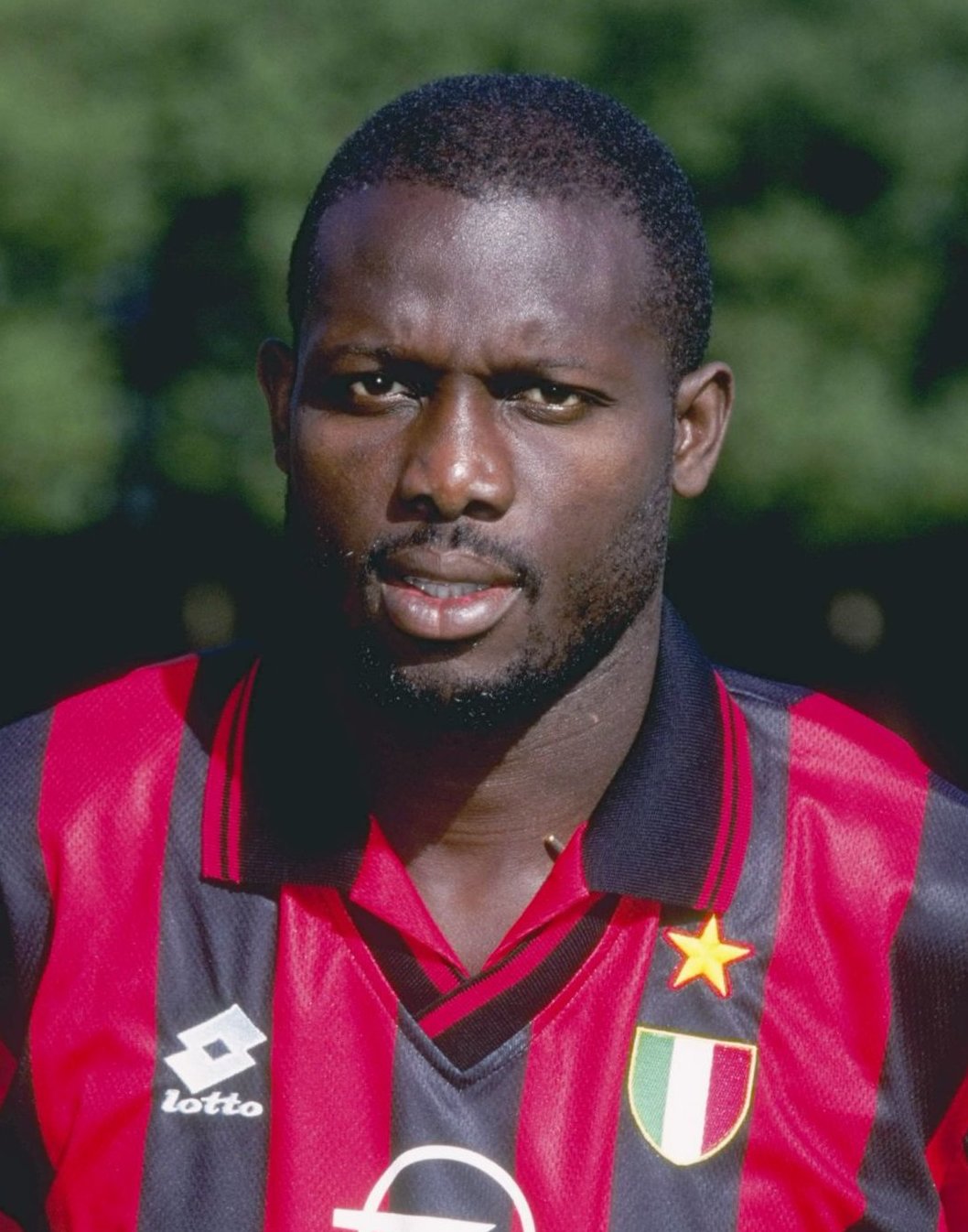
The Unstoppable Journey of George Weah
In the crowded streets of Clara Town, Monrovia, a young George Manneh Oppong Weah learned to dream with nothing but a ball at his feet and determination in his heart. Raised by his grandmother, Emma Klonjlaleh Brown, he played barefoot on dusty pitches, shaping not just his skill but his resilience.

DECEMBER 20 2025
Drkchld Is Writing His Own Rhythm
In the rhythm of Nigeria’s pulsing music scene, where beats bloom like stars in a midnight sky, DRKCHLD emerges as a b

DECEMBER 03 2025
Reine Ablaa Is The Pulse Of Ivorian Afro House
Reine Ablaa makes music that feels alive. It moves with the rhythm of her homeland and breathes with the weight of memory. Every beat carries something ancient, yet the sound feels entirely new.

NOVEMBER 8 2025
Tolibian is on a journey of discovery.
Ilorin, a city known for its calm rhythm and deep culture, raised one of Nigeria’s most intriguing new voices in music.

NOVEMBER 20 2026
Uto Rosman Is Listening to Herself.
Some artists make noise to be heard. Others listen before they speak. Uto Rosman belongs to the latter.
April 20, 2025
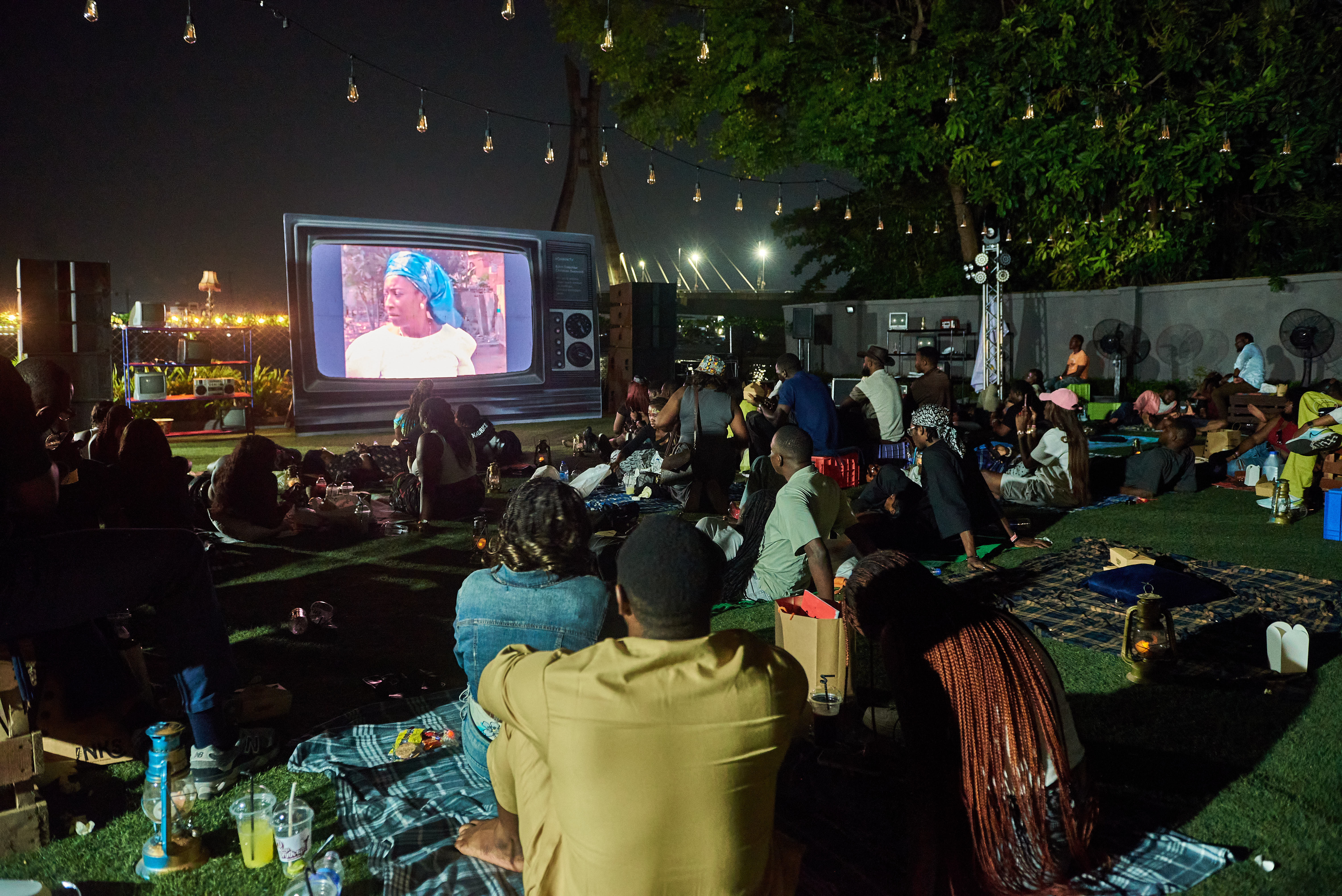
The Nostalgia Economy: How Bckyrdfest Is Cashing In on Lagos' Collective Memory
Adeola Bolu hadn't played suwe in twenty years. She'd forgotten the rules, the rhythm of it, the way your legs burned after five rounds of hopping through chalked squares.
April 20, 2025
The Unstoppable Journey of George Weah
In the crowded streets of Clara Town, Monrovia, a young George Manneh Oppong Weah learned to dream with nothing but a ball at his feet and determination in his heart. Raised by his grandmother, Emma Klonjlaleh Brown, he played barefoot on dusty pitches, shaping not just his skill but his resilience.
DECEMBER 20 2025
Drkchld Is Writing His Own Rhythm
In the rhythm of Nigeria’s pulsing music scene, where beats bloom like stars in a midnight sky, DRKCHLD emerges as a b
DECEMBER 03 2025
Reine Ablaa Is The Pulse Of Ivorian Afro House
Reine Ablaa makes music that feels alive. It moves with the rhythm of her homeland and breathes with the weight of memory. Every beat carries something ancient, yet the sound feels entirely new.
NOVEMBER 8 2025
Tolibian is on a journey of discovery.
Ilorin, a city known for its calm rhythm and deep culture, raised one of Nigeria’s most intriguing new voices in music.
NOVEMBER 20 2026
Uto Rosman Is Listening to Herself.
Some artists make noise to be heard. Others listen before they speak. Uto Rosman belongs to the latter.
April 20, 2025
The Nostalgia Economy: How Bckyrdfest Is Cashing In on Lagos' Collective Memory
Adeola Bolu hadn't played suwe in twenty years. She'd forgotten the rules, the rhythm of it, the way your legs burned after five rounds of hopping through chalked squares.

© 2026 Afreoriginals.
What is hot? 🔥
What is hot? 🔥
What is hot? 🔥