Share this
Written By
Folake Ajao
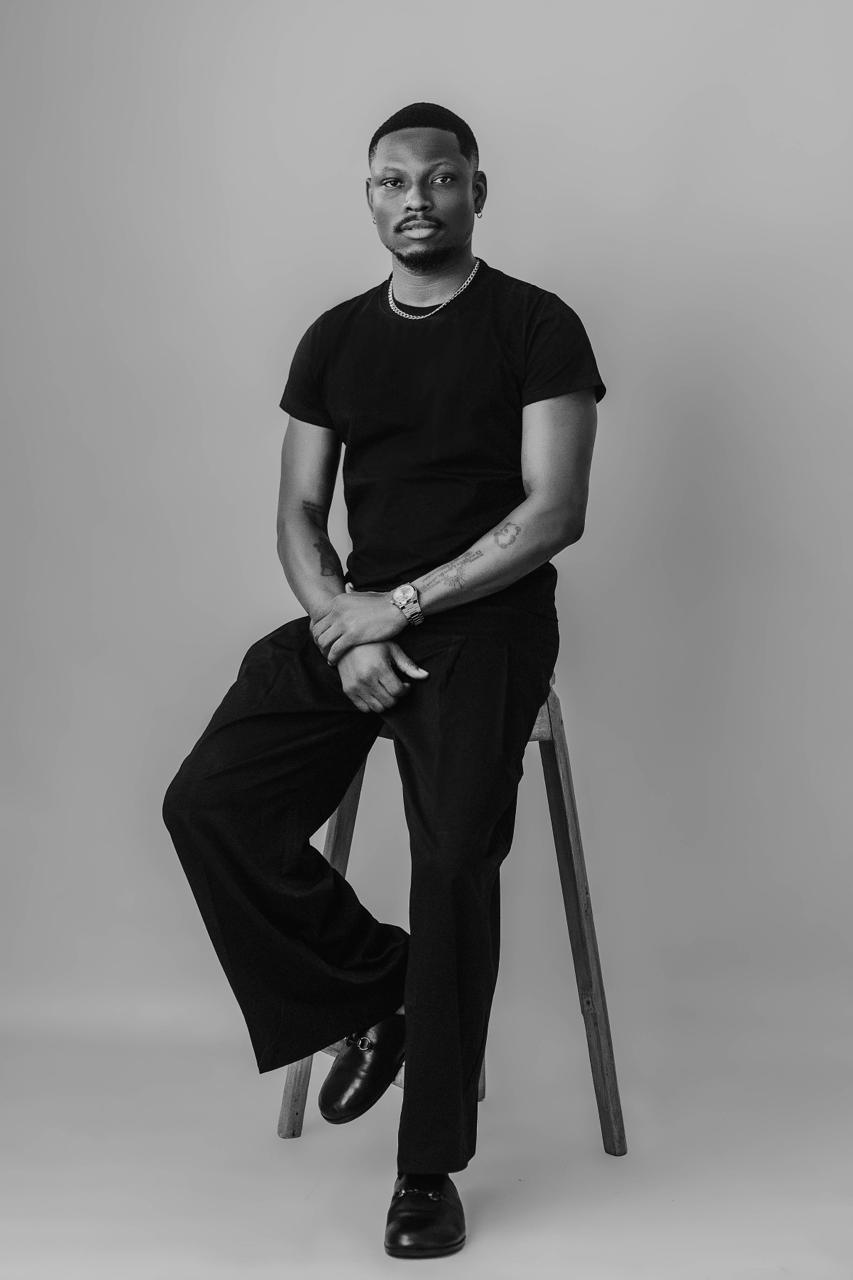
Levi Adewunmi's early exposure to entertainment through school events, drama, and debate laid the foundation for his future as a multifaceted leader in Africa's cultural industries. The essay examines how those early experiences provided the practical skills and social instincts that became vital to his work in talent management, nightlife, fashion, and live entertainment. In essence, it's a case study in the emergence of innovative cultural infrastructure in contemporary Africa. Looking back, Levi says he always knew he'd be in the industry. "I've always kind of known that I would be working in the entertainment space. It was never a doubt at all."
His upbringing put him in an unusual position to prepare him for that future. His dad was an academic, and the expectations at home carried over into the classroom, where he also held authority. School was a closely supervised environment with little room for carelessness. Levi recalls teachers threatening to tell his father about poor grades, which in turn made him very aware of how he was performing in front of others. His education was so rigorous that he worked through the maths textbooks well in advance of the school year, often covering much of the syllabus before it even started.
His childhood wasn't all about discipline, though. He was very much a performance type of kid, drawn to competition and the sheer social energy of being around people. He represented both his school and his church at various competitions, which gave him real grounding in public speaking. His family could afford good schools, just not the holidays abroad some other kids had. His response to that was to go out and read the encyclopedias and the current affairs stuff. He wanted to learn because he felt that with knowledge, you could hold your own around other people. "I wanted to learn something because I felt if you had the knowledge you could hold your own in the company of other people," he says.
That hunger for knowledge became part of his social makeup. People would go to him to find out what was going on. He became the person you went to if you wanted to know something. He also found he really enjoyed bringing people together. While other boys were busy preparing for the end of junior secondary school, Levi and his mates decided to throw a party off school. He went around Ikeja, asking questions and figuring out how to pull it off. That was the genesis of a skill he would spend many years perfecting: the ability to work out what people wanted from an experience and then deliver it.
His route into the industry was far from direct. He originally wanted to be an aero engineer, and science was the natural choice given his love of maths. A teacher (Mr Durojaye) advised him to reconsider, saying science wasn't the right field for him and that he should do what he loved. Convincing his father to let him repeat SS1 to pursue the arts was the way to go. That, in turn, led him into literature and drama, bringing his university experience much closer to the creative pursuits he'd already been engaged in outside of school.
Prior to university, he worked at Legendary Gold (a company that did Nigerian Fashion Week). He got into the Lagos nightlife scene via Club 57. To mark his birthday, he contacted Club 57 on Instagram and connected with Bizzle, the manager. After the birthday bash, he was working at the club. It was a great introduction to the business and gave him access to a number of other venues in the city (Quillox and Escape amongst others). He began to learn about the relationships that kept the scene going and the work required to make a venue what you wanted it to be.
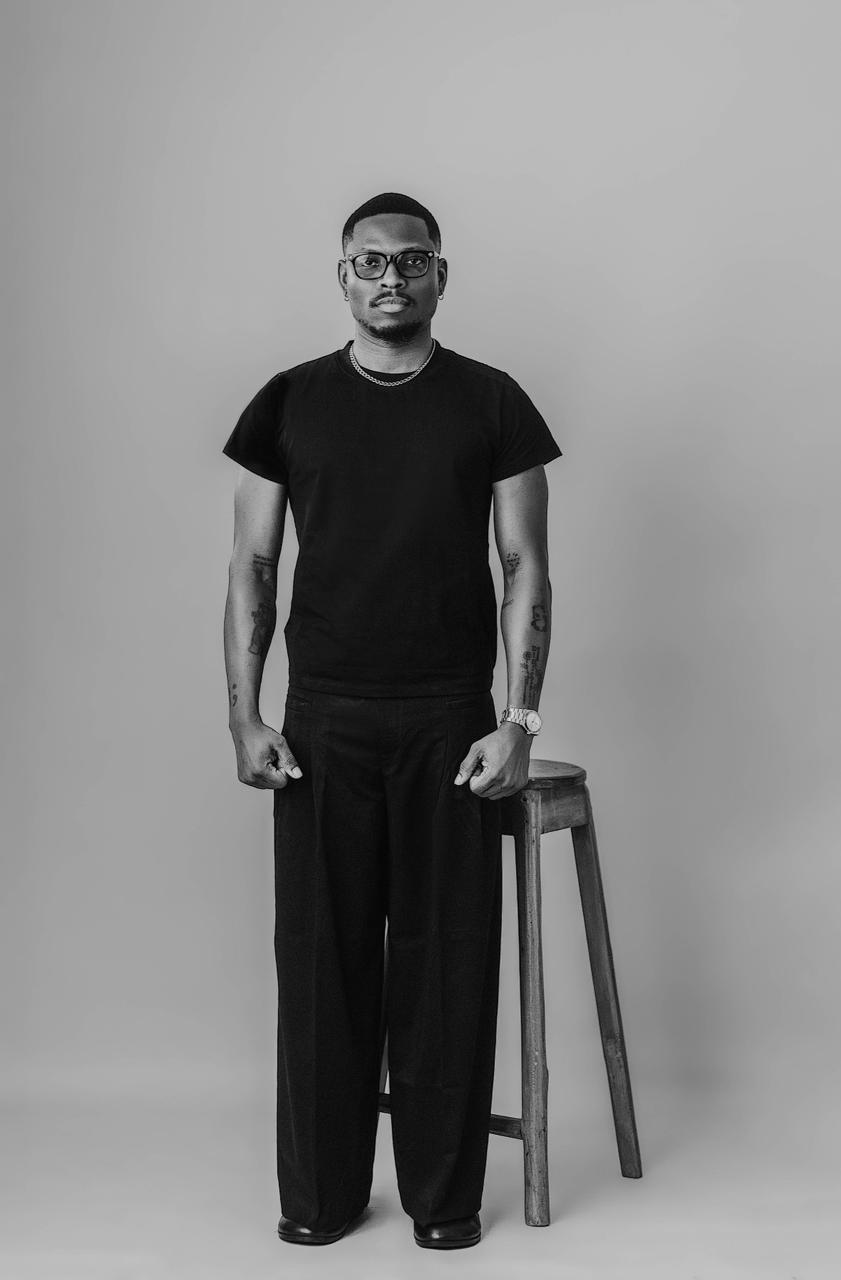
Music quickly became another major facet of his career. While at uni, he worked with Reekado Banks on PR and community management. He went on to work with Iyanya and Selebobo, which Ubi Franklin facilitated, as well as a number of others, before his time at The Plug led him into artist management and event production. SmallztheDJ was the first artist he personally managed, and that run really got him into the business of building a name and keeping an artist going. He then went on to manage YKB for over five years, along with several other artist projects, including Davido’s first O2 arena concert.
His work has clearly extended beyond Nigeria, including his coordination of the lifeis4livin festival in London. As part of the project, Levi secured Wande Coal for the festival and managed the artist’s engagement end to end, overseeing the arrangements required to bring the booking to fruition. The experience reflects his ability to navigate international entertainment projects while maintaining the relationships and operational oversight needed to deliver them.
These experiences gave him a much broader perspective of the entertainment business. Talent can still find it very difficult to build a career without the right IP or without an understanding of the commercial side of things. Levi had seen firsthand how much it all came down to who could make the call, who could get the placement, who could introduce the new talent to the people who could actually move it. Bridges grew out of his desire to make those connections more accessible.
“When I started Bridges, my ambition was to be that connector,” he says. He envisioned a young creative making music in their bedroom, full of ambition but lacking the relationships needed to access opportunities. Bridges was conceived to help close that gap, connecting brands with their target audiences while matching talent with brands whose interests and values align with their work. The intention is to create partnerships that benefit both sides without requiring creatives to surrender their independence to gain access to commercial opportunities. For Levi, the ability to make a living from creative work should not come at the expense of having control over one’s career.
Event production became the embodiment of his philosophy. He produced Reekado Banks' Thank You concert (his first major concert project) and subsequently produced the Mainland Block Party with Alhaji Poppin. His production list also includes the Davido concert at the O2 in London and several editions of Olamide Live in Concert. All these projects gave him real insight into how the artist, the audience, and the commercial partner work together.
His seven years at Street Souk really put that theory to the test. When he joined in 2018, Street Souk's main focus was its December festival. Working with Ireti, he helped develop a range of initiatives to keep the platform going year-round, including pop-ups and the Night Market. He also helped establish a more formal operation, with clearer staff roles and more consistent communication. It was about thinking beyond the festival and looking at how to grow the business.
Brand partnerships were absolutely key to that growth. Levi learned to think about a brand's perception and how an event could give the audience a genuine reason to engage with a sponsor. He says sponsorship income at Street Souk went up enormously during his time there (he won't give the final figures). The commercial case had to be very clear. The brand needed to understand what it was getting for its money, and the event needed to maintain the very things that made the community care about it.
Street Souk also gave Levi real insight into streetwear's cultural footprint in Nigeria. He felt he'd played his part, and it was time to step away as he started thinking about what he wanted to build next. At 29, he felt the platform was ready to be handed over to a new generation to help steer it. He'd spent years building the brand's identity and structure, and he'd seen it mature. It wasn't just about leading the brand anymore.
His current work clearly engages with the structures of contemporary African culture. Activ Yard is an initiative that creates a community experience for music fans to connect with each other, discover new artists, and work together. It's an environment designed to support artists' growth. 808’s Kitchen is part of his wider effort to create spaces that are conducive to creative exchange. The initiative provides an environment that supports artists’ growth while giving audiences a more active role in the culture surrounding the music they enjoy. For Levi, the value of such a platform lies in its ability to bring people together around shared interests and create room for new relationships to develop.
The Creative Journey Summit, meanwhile, aims to introduce conversations about creative careers to Nigerian universities and establish a model that can be extended to universities across the continent. The initiative seeks to demystify the creative economy and show young people the range of professional opportunities available beyond performing or producing. By bringing these conversations into educational spaces, the summit aims to help students understand how their skills can translate into sustainable careers within the wider creative industries.
He's also exploring electronic music through Blacknoise, a cultural magazine and live platform dedicated to developing the scene in Lagos. The project reflects his interest in building the infrastructure required for emerging cultural movements to find audiences and develop their own identities. Across his work, he continues to identify areas where communities have the talent and enthusiasm to grow but lack the platforms, networks or commercial structures that could help them progress.
The breadth of the activities speaks to Levi's fundamental commitment to enabling cultural development through the creation of the right infrastructure and opportunities. The through line in his career is creating platforms that link talent with audiences and resources, and building environments where communities can flourish. That underpins his move from one sector to another, as he constantly looks for greater access and opportunities for communities to grow.
For Levi Adewunmi, the next phase is all about creating new cultural spaces and infrastructure. Bridges is still very much at the heart of it. He's still creating opportunities for young creatives to enter and thrive in industries they would otherwise never have a chance to enter. It all started when he was a schoolboy putting on a party in Ikeja, and his ambition has grown from there into a sustained effort to build the foundations of African cultural industries. He sees it as creating experiences people connect with and building the networks needed for community advancement; he's a force for the ongoing cultural innovation and development we need across the continent.
© 2026 Afreoriginals.