Share this
Written By
Folake Ajao
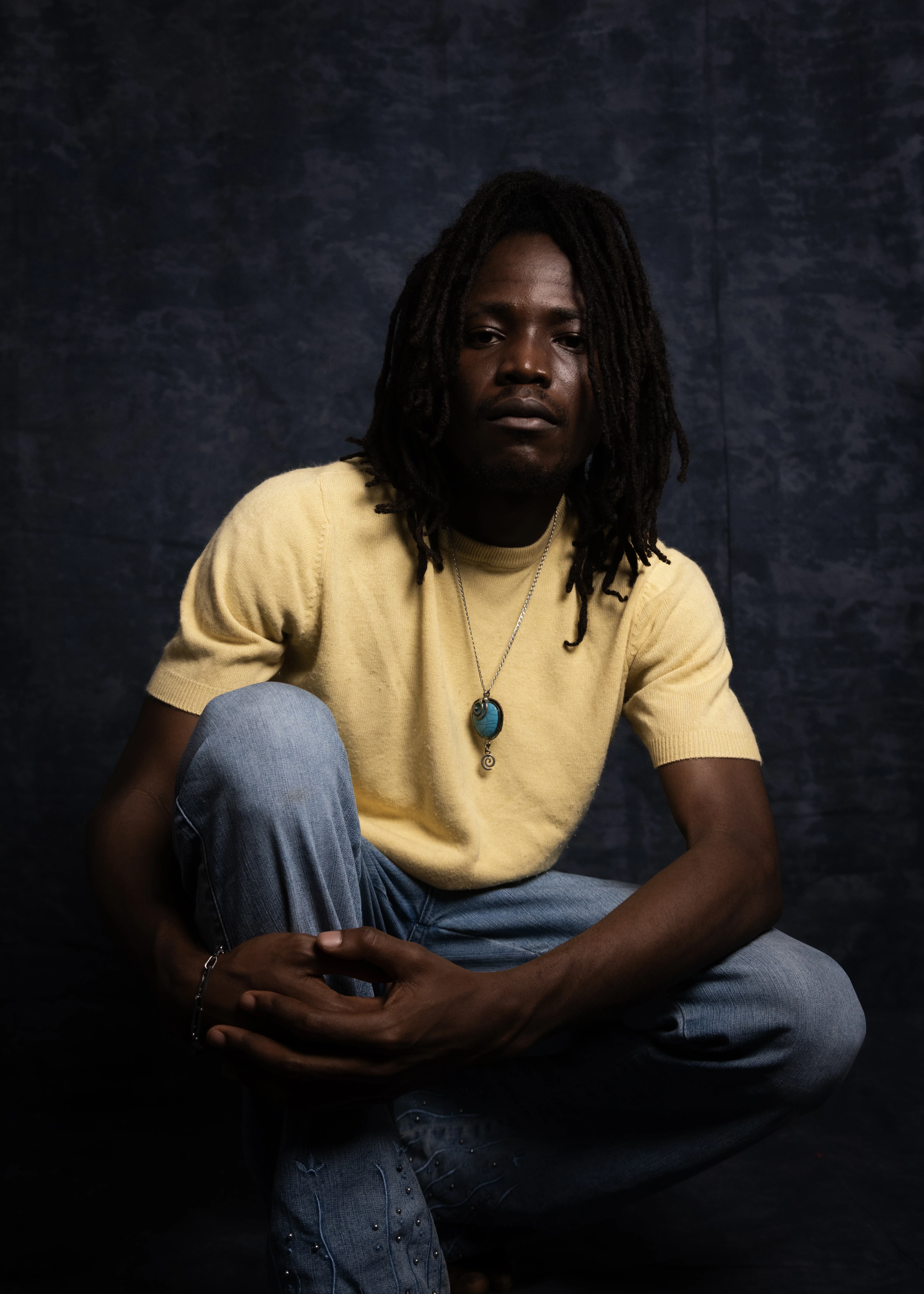
Growing up around music gave caleboniel an early education in sound before he had any idea he would eventually make it himself. Raised in a Christian home, his first encounters came through morning devotion, praise and worship, followed by the constant music of the neighbourhood around him. Almost every shop had speakers outside, meaning there was always something playing when he stepped out of the house. On Saturdays, he followed his siblings to choir practice ahead of Sunday services. “That’s where the exposure started from,” he says.
His first obsession was the drums. caleboniel wanted to play them at church but was not allowed to, so he found substitutes at home, turning buckets upside down and breaking canes to make drumsticks. “I just had a weird obsession with the drums for some reason,” he says. “I don’t know why I was always making drum sounds in my mouth.” At school, that curiosity eventually found more formal outlets. He joined an orchestra and learned the saxophone, later teaching himself the keyboard and picking up the guitar.
It was after high school, when he began spending more time alone, that the idea of making music for himself started to take shape. He had stories and experiences he wanted to put somewhere, so he began writing songs. “I had a lot of stories, I had a lot of experiences that needed to come out,” he says. Around the same period, artists such as Nonso Amadi, John Bellion, Johnny Drille and Miguel became important reference points. Listening to PGM on Beat FM, a programme hosted by Douglas Jekan, also exposed him to music that expanded his understanding of what a song could sound like. He would watch interviews with the artists he admired while trying to understand songwriting for himself.
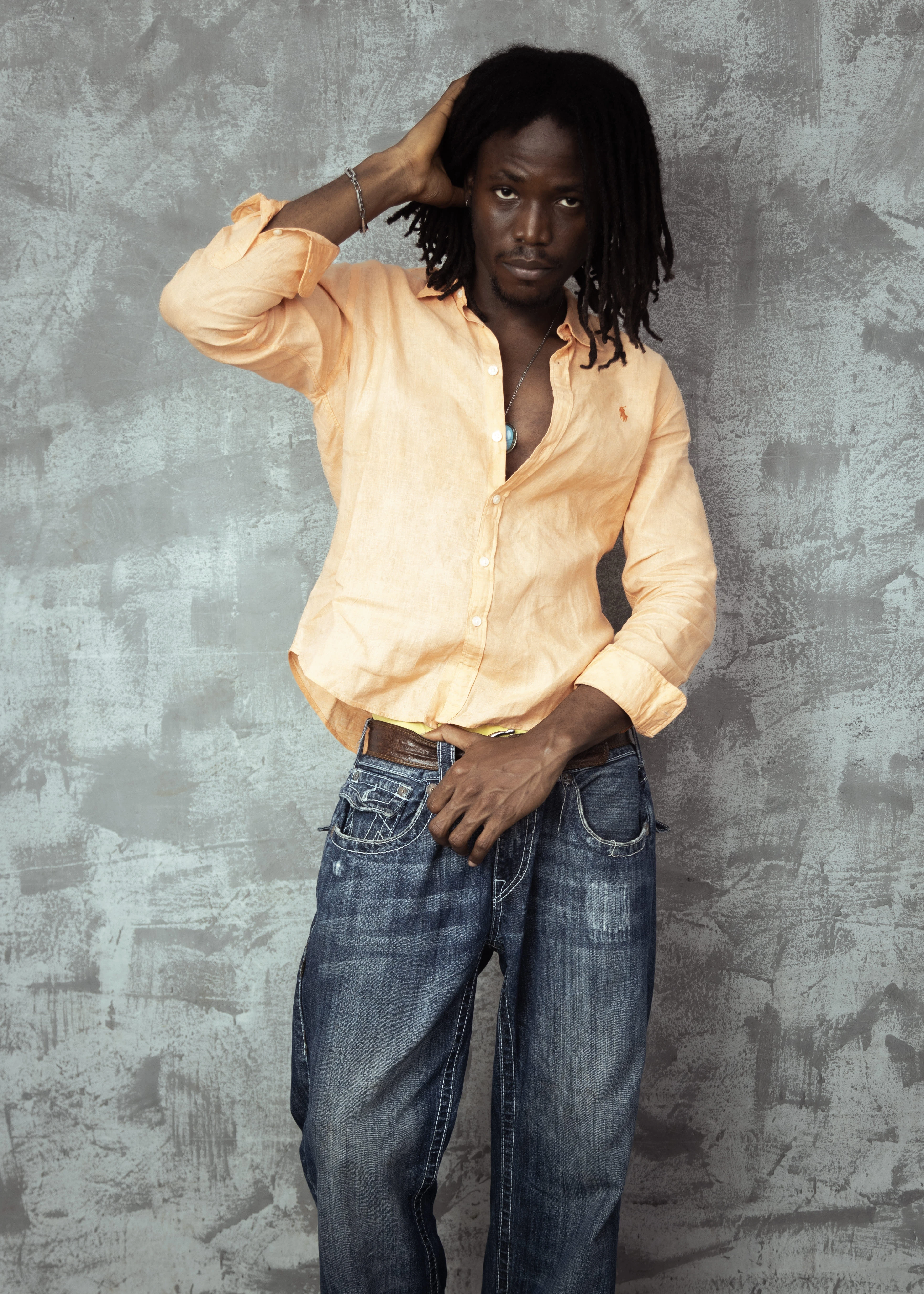
There was already something distinct about the way caleboniel approached melodies. In high school, he would write songs for a friend who played the keyboard, only to find that the friend could not always reproduce what he was hearing. “I just knew at that point in time, if at all I was going to do this, I knew that I was not going to be the same with every other person that makes music,” he says. That difference became something he leaned into which was what prompted him to learn how to play the guitar and keyboard.
He decided to pursue music professionally in 2020, although he admits he was not particularly serious at first. He was recording songs “just to see what I can do with it.” By 2023, the decision had changed. He began chasing music professionally while continuing to write for other artists. Some of that work has been released, while other songs remain unreleased. He has written for various Artists and worked on an EP with PDSTRN. His own releases began with the two-part single “Heart2Art,” following earlier songs that appeared on tapes.
Caleboniel’s sound has grown out of the wide range of music he absorbed while growing up. Afropop sits alongside R&B, hip hop, alternative R&B and rock in his listening habits. Rather than treating those influences as separate categories, he allows them to exist together. “It gave me room to fuse genres, actually,” he says. “The exposure to every genre of music is actually equal.” Even when he is not consciously trying to bring those influences into a song, he believes they remain audible if you listen closely.
His latest single, “Confessions,” came together in the informal way many of his songs begin. He was in Arepo, Ogun State where he records most of his music, while his producer BZN. worked on a beat. Caleboniel began playing with melodies and soon found himself returning to the idea. For him, one of the clearest signs that a song deserves to exist is what happens after the studio session. “How I know I like a song that I’m writing is when I don’t record it,” he explains. If there is no recording or written note but the melody remains in his head, he knows there is something worth pursuing.
“Confessions” also arrived at a point when his understanding of relationships and personal values was changing. The song gives him space to address frustrations around friendship and relationships, particularly situations that force him to reconsider what he is willing to tolerate. “I had some stories that I needed to say with regards to friendship and relationships that I need to let off my chest,” he says. The song reflects what he describes as a period of becoming stricter about his values. “My focus is now narrow to some certain things,” he says, and those priorities are part of what listeners hear on “Confessions.”
His creative process remains loose enough to accommodate different starting points. Sometimes a chord or loop in the studio catches his attention and he begins building melodies around it. “I just like to do some melodies on it,” he says. “I do rubbish. I’m just doing melodies without words.” He may return home later and put words to those melodies, although sometimes the lyrics arrive first. The process changes depending on the song.
The difference between his earlier music and what he makes now, he believes, is less about abandoning his original instincts and more about what experience has added to them. “My recording process has changed, obviously,” he says. “I’m writing from wisdom now.” With that wisdom has come greater intention, allowing him to approach the same instinct for melody with a clearer sense of what he wants to say.
That thinking carries into the three-pack project he has planned. He describes it as a sandwich because of the different genres and ideas contained within it. “There’s so many things inside it, so many different genres,” he says. The project is designed to introduce listeners to “the other things I can do” before the larger project arrives. He is reluctant to explain exactly what each song means, preferring to leave room for listeners to arrive at their own interpretations. “I feel like people digest music differently,” he says. “I would not want to ruin that experience for you.”
Performance has been another part of caleboniel’s development. He has been in front of crowds since childhood and was playing saxophone for thousands by the age of 11. His years in an orchestra taught him early that performing requires an awareness of the audience. “You have to carry the crowd along when you’re performing,” he says. In recent years, he has continued learning by watching live performances on YouTube, paying attention to moments that interest him and adapting them to his own approach rather than simply copying another performer.
His influences have shifted with time. John Bellion, Miguel, Johnny Drille, John Mayer and Wizkid were important at different points in his development, but caleboniel says he is currently not taking direct influence from any particular artist. His listening remains wide, though, and his ambitions extend to artists whose work has shaped his understanding of music.
As an independent artist, one of his biggest challenges has been getting people to believe in something before they can see the results. “As an emerging artist, no matter the field that you are in this life, you have to be delusional,” he says. The harder part, he adds, is “getting people to buy into your delusion.” He has encountered people who tried to make him reconsider his direction, but he remains protective of the conviction that brought him this far.
Away from music, ordinary Nigerian life continues to provide material. “Life as a Nigerian is enough to inspire you as a creative person,” he says. There is enough happening around him to keep his mind moving, while his family remains another source of inspiration.
Even the name Caleboniel carries part of his personal history. Caleb is not the name on his birth certificate. His mother had wanted to give him the name but was uncertain about its meaning at the time. Years later, he decided to take it for himself. “Since it’s not my birth certificate, I’m going to make a name for myself with that one,” he says. His full name is Toluwalase Oluwatomi Omoyeni, while Oniel comes from the initials of his other names.
His ambitions extend beyond his own releases. He would like to write for Wizkid, Davido and Burna Boy, particularly because he believes there are sides of their voices that have yet to be explored fully. “I would like to take them out of what they usually do,” he says. “I feel like there’s more that can be done with their voices.” For collaborations as an artist, he names John Bellion, Daniel Caesar and Lenny Kravitz. What attracts him is not simply their stature, but “the way we can actually create something out of the way we sound and we think.”
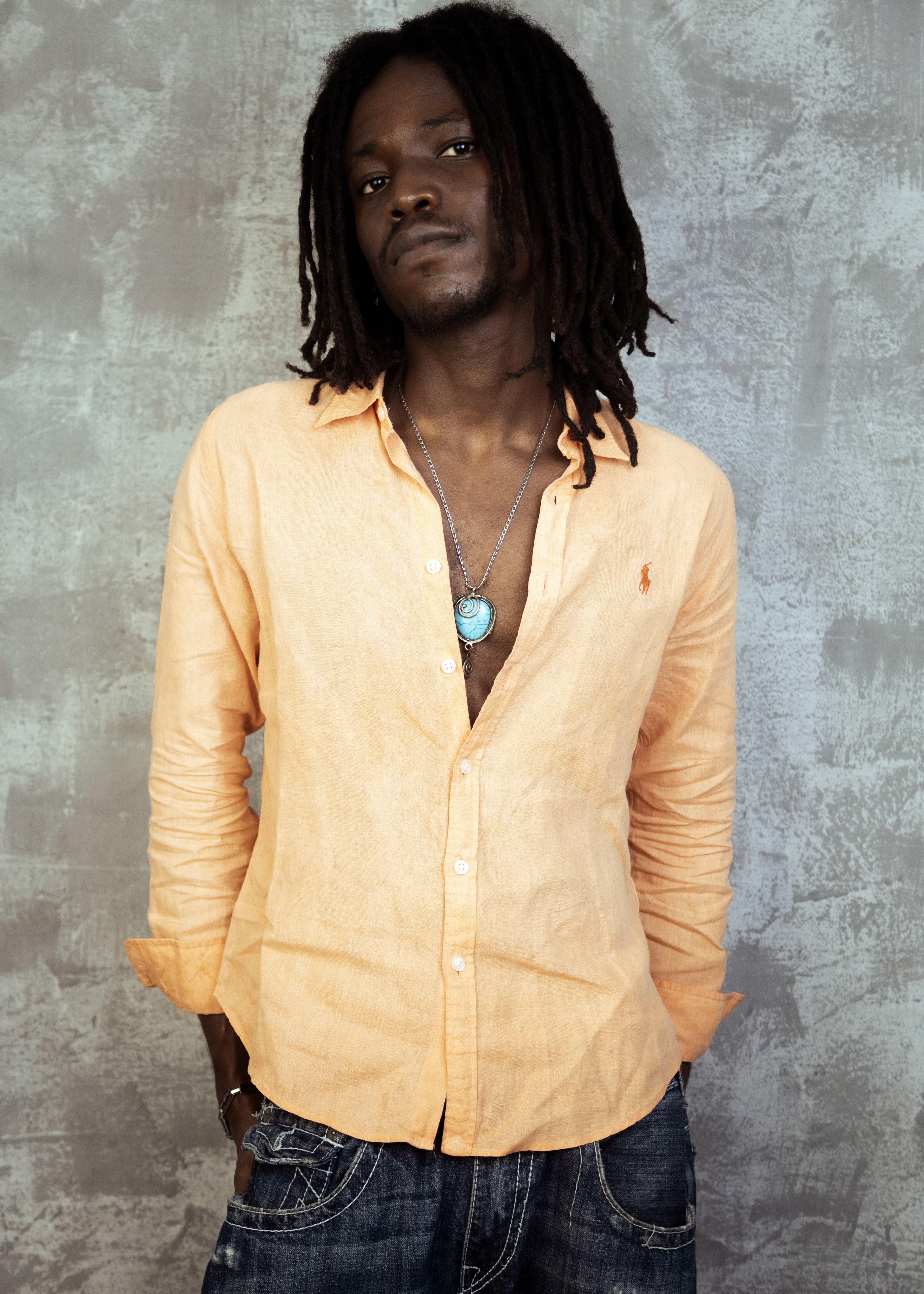
For now, caleboniel is still working out the edges of his sound. The three-pack project offers another opportunity to widen that picture, while “Confessions” captures where his thinking currently sits. Years of listening and experimentation have given him the tools, but he is still allowing experience to determine what he does with them. As he puts it, “with more wisdom I am more intentional about it.”
© 2026 Afreoriginals.